home
places
barriers
demographics
news
Women's Cycling - Brisbane
- your space
Barriers to riding - your stories
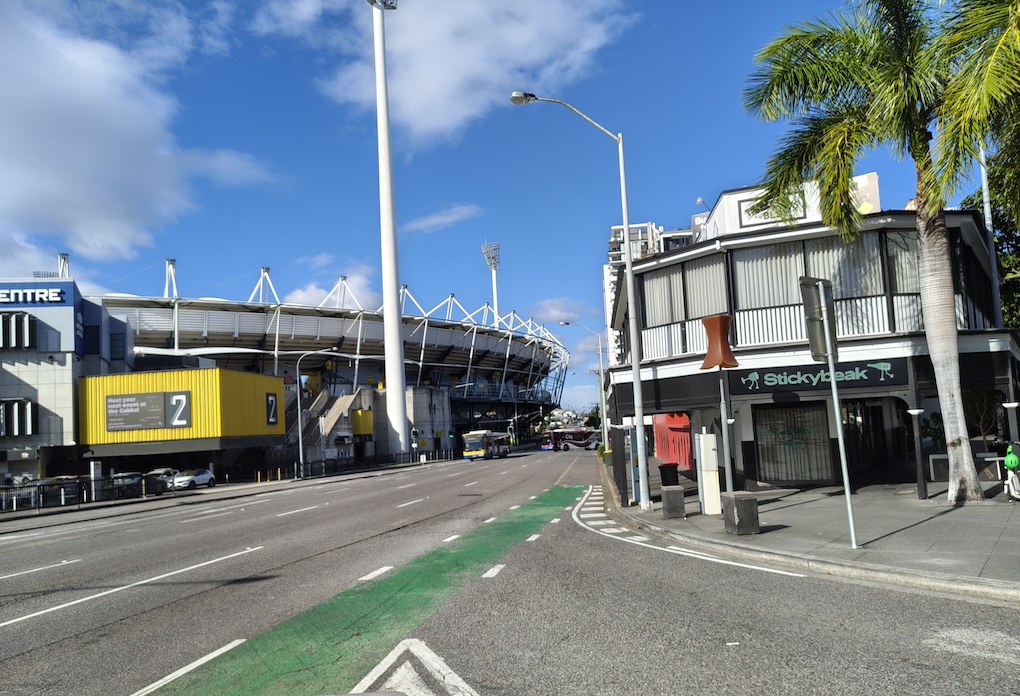
photo: Claudio Castro
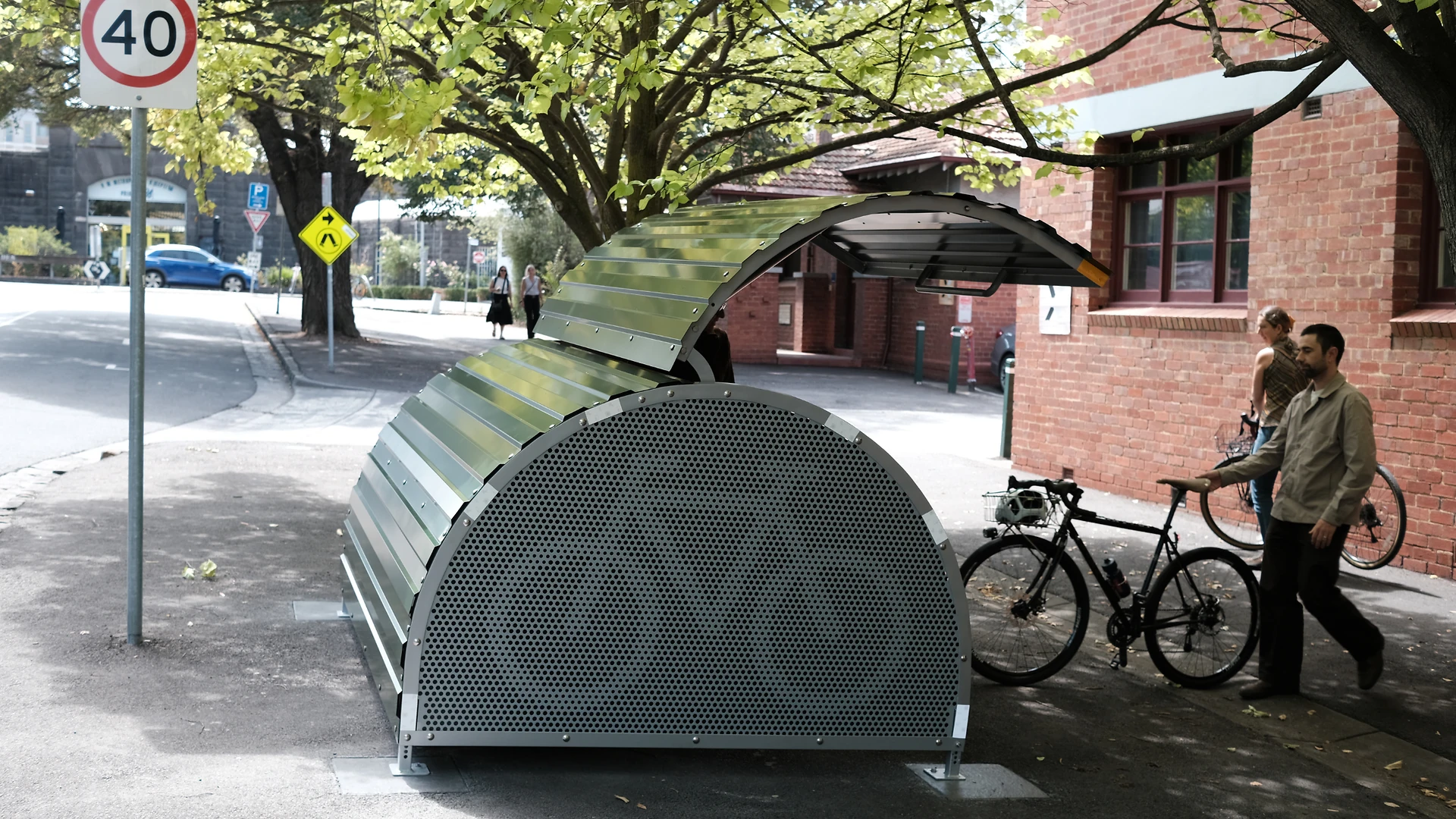
photo: Merri-bek City Council
Barriers to Riding - summarized
Infrastructure
Missing links between bikeways (304 mentions)
Lack of protected bike lanes (301 mentions)
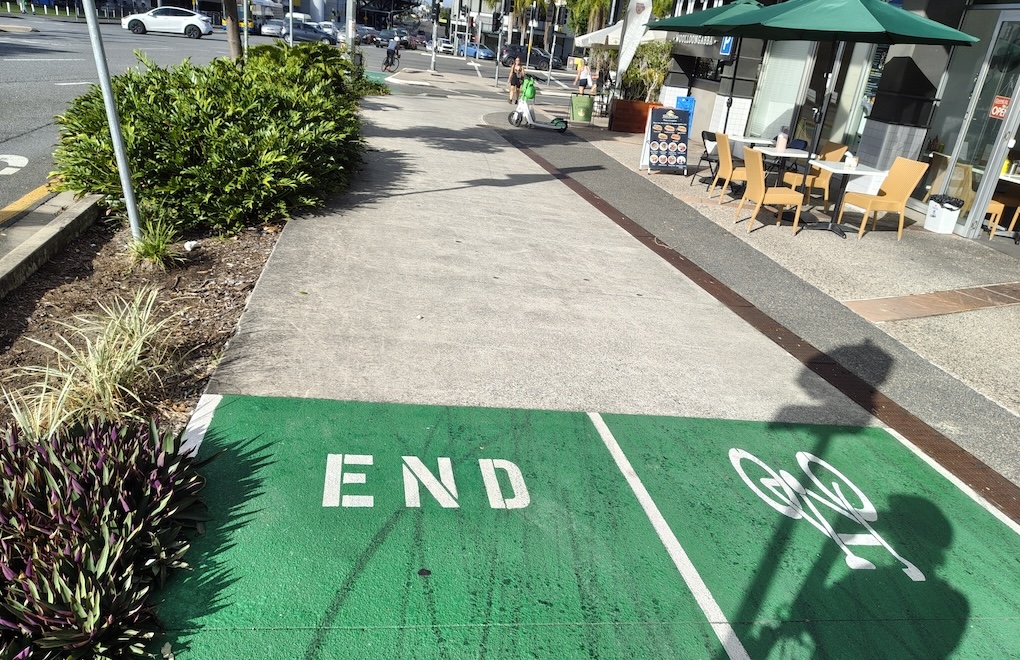
Bike paths that start and stop suddenly
Shared paths too narrow / congested
Safety - Traffic
Unsafe roads - speed / volume of traffic (327 mentions)
Unsafe practices by drivers (279 mentions)
Aggressive drivers - particularly 'men in utes'
Drivers not looking when exiting driveways
Safety - Personal
Physical safety concerns (106 mentions)
Poor/absent lighting (141 mentions)
Harassment and verbal abuse from drivers and pedestrians
Incidents of being followed or approached
Women-Specific Concerns
Riding with children feels unsafe (51 mentions)
Cat-calling and harassment
Need to carry personal alarms
Reduced work hours to avoid peak traffic
E-scooters too heavy to move when blocking paths
Targeted because of gender
Facilities
Lack of secure bike parking (234 mentions)
Lack of end-of-trip facilities (115 mentions)
Fear of bike theft when leaving unattended
Barriers to Riding - in full
Traffic safety and driver behaviour
High traffic speeds and vehicle volumes were the most consistently reported concern across all regions.
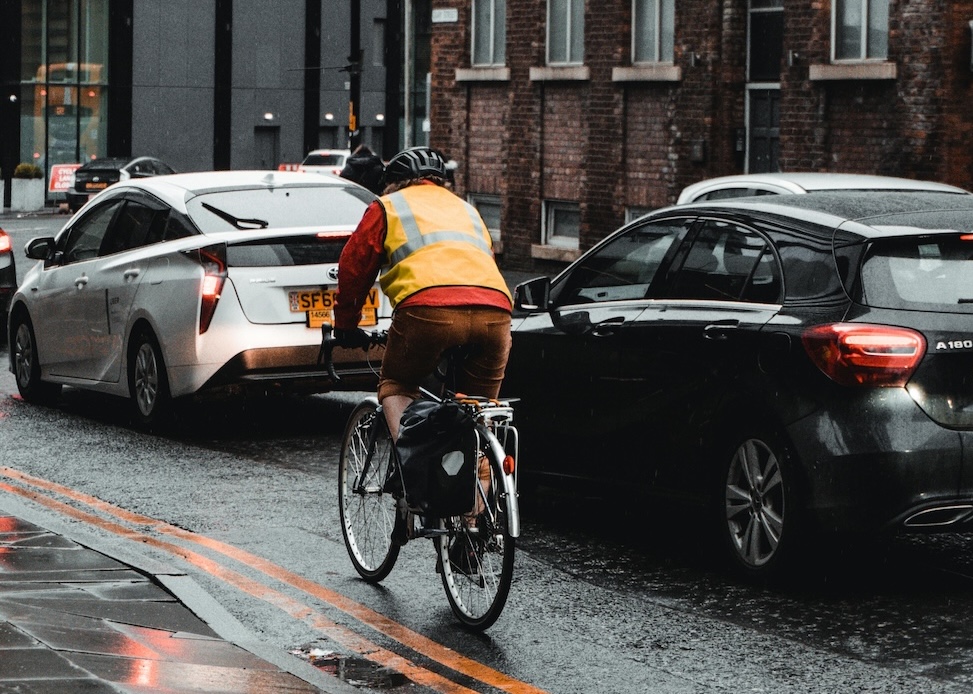
Riders described frequent near misses, aggressive overtaking, and harassment by drivers – particularly ‘utes’.
Many respondents reported avoiding direct routes due to fear of motor traffic.
Disconnected and incomplete cycling networks
Cycle lanes and bikeways frequently end abruptly, forcing riders into traffic or onto footpaths.
Missing links between bikeways and key destinations (work, schools, shops, transport hubs) were repeatedly identified.
Poor continuity reduces confidence, particularly for less experienced riders.
Lack of protected cycling infrastructure
The absence of physically separated bike lanes was highlighted across inner, middle, and outer suburbs.
Painted lanes were described as insufficient on busy roads.
Respondents consistently identified protected lanes as the single most effective improvement.
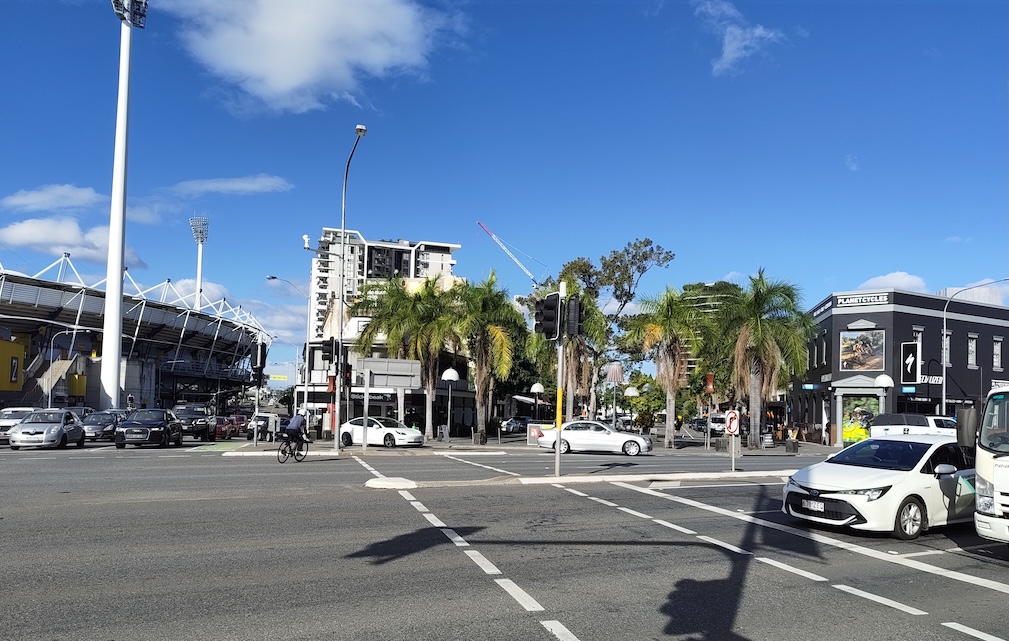
Intersections and crossings as high risk points
Intersections were widely reported as dangerous, confusing, or poorly designed for cyclists.
Unsafe crossings act as barriers even where good cycling infrastructure exists nearby.
Many riders avoid certain routes due to specific intersections rather than entire corridors.
Personal safety, lighting, and path conditions
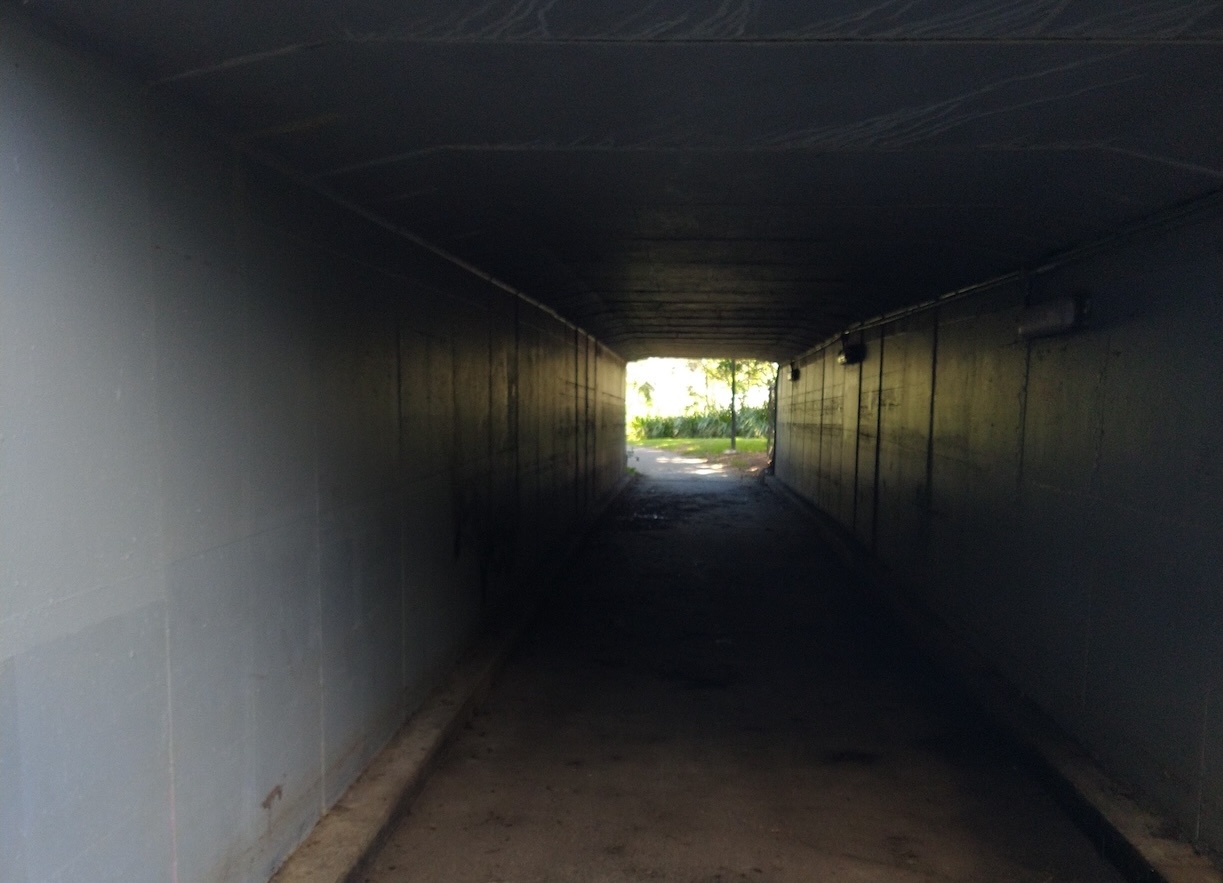
Poor or absent lighting on bikeways and underpasses creates fear, particularly at night or during early mornings.
Respondents reported feeling vulnerable on isolated or enclosed paths.
Overgrown vegetation, debris, and blind corners increase safety concerns.
Riding with children and family members
Many respondents indicated that they would ride more if infrastructure felt safe for children.
Narrow paths, traffic exposure, and unsafe crossings were key deterrents for family cycling.
Family friendly infrastructure was seen as lacking across most regions.
Parking and end of trip facilities
A lack of secure and convenient bike parking discourages riding to shops, services, and public transport.
Inadequate end of trip facilities (e.g. lockers, showers) limit commuting by bike.
Theft concerns were raised in multiple regions.
return to
home page